Stepping into SXSW: XR, Stories, and New Perspectives
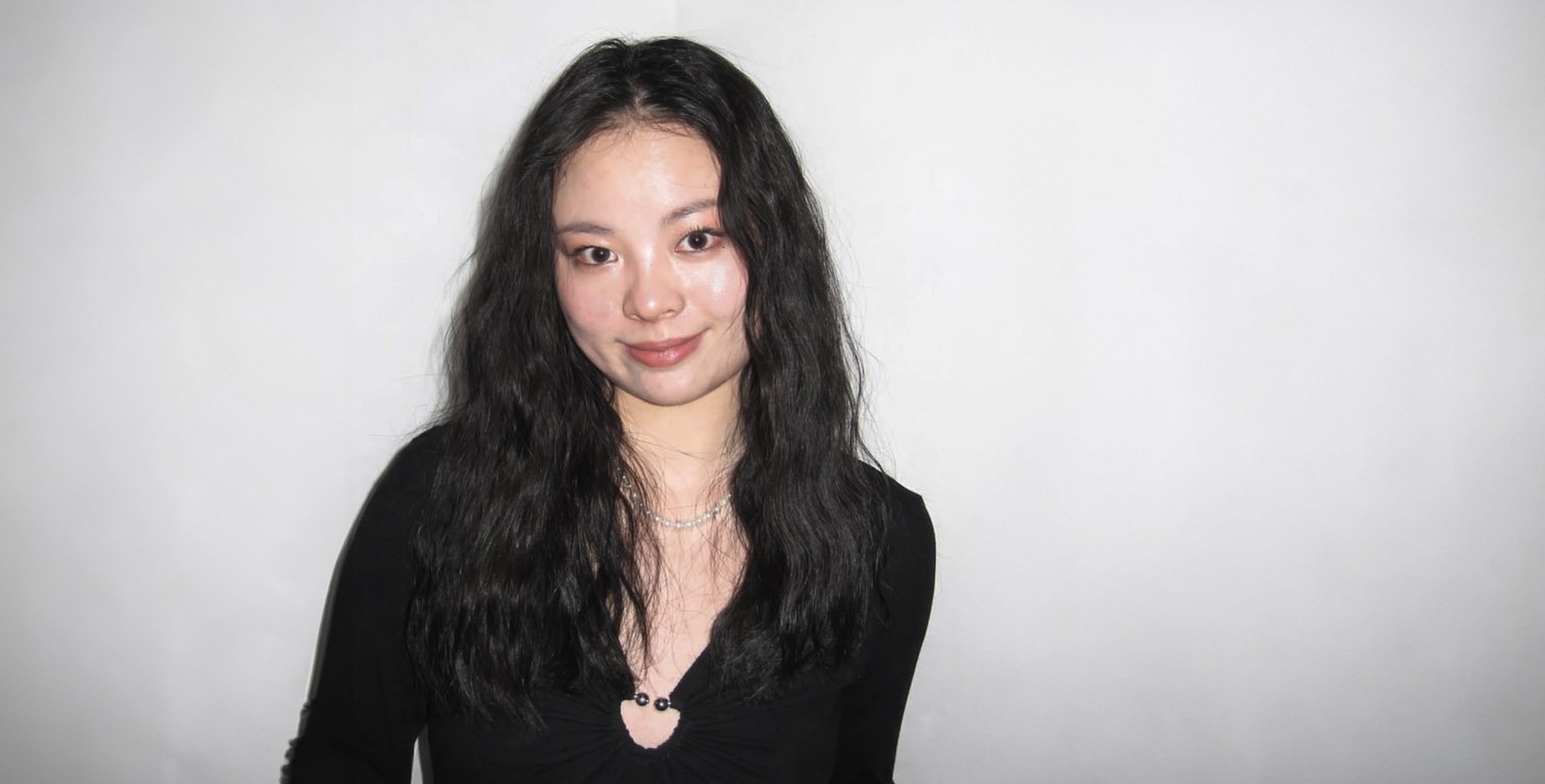
by Beining (Rosie) Chen
The journey started with an unexpected technical issue — halfway through our flight from London to Austin, we had to turn back and return to London, then reschedule for the next day. Unfortunately, we missed the first day of SXSW. I guess stories always begin with a bit of drama.
Arrived Austin on the second day of SXSW. At lunchtime, Esme, Elijah (both from the FAC Connect Cohort), and I grabbed tacos together. I suddenly realised that was actually the first time the three of us had met in Austin. Thanks to Elijah’s Airbnb host for the amazing food recommendations. We ended up trying quite a few spots from that list afterwards.
I spent most of my time at the VR Exhibition, where immersive narrative works were showcased through AR and VR. This was also the reason I came here through the opportunity from B3 Media and British Underground. As an XR artist and developer, it’s always inspiring to see the latest works and emerging technologies in this space.
A Long Goodbye (directors Kate Voet and Victor Maes, Agog Immersive Impact Award, SXSW 2026) was a deeply moving piece about Ida, an elderly woman living with dementia. We experienced her daily life through a living room setup, with stickers placed on the walls, and then stepped into her memories through her husband Daniel’s storytelling. The animation style used soft watercolour textures which made me feel gentle and emotional. I ended up crying inside the headset by the end.
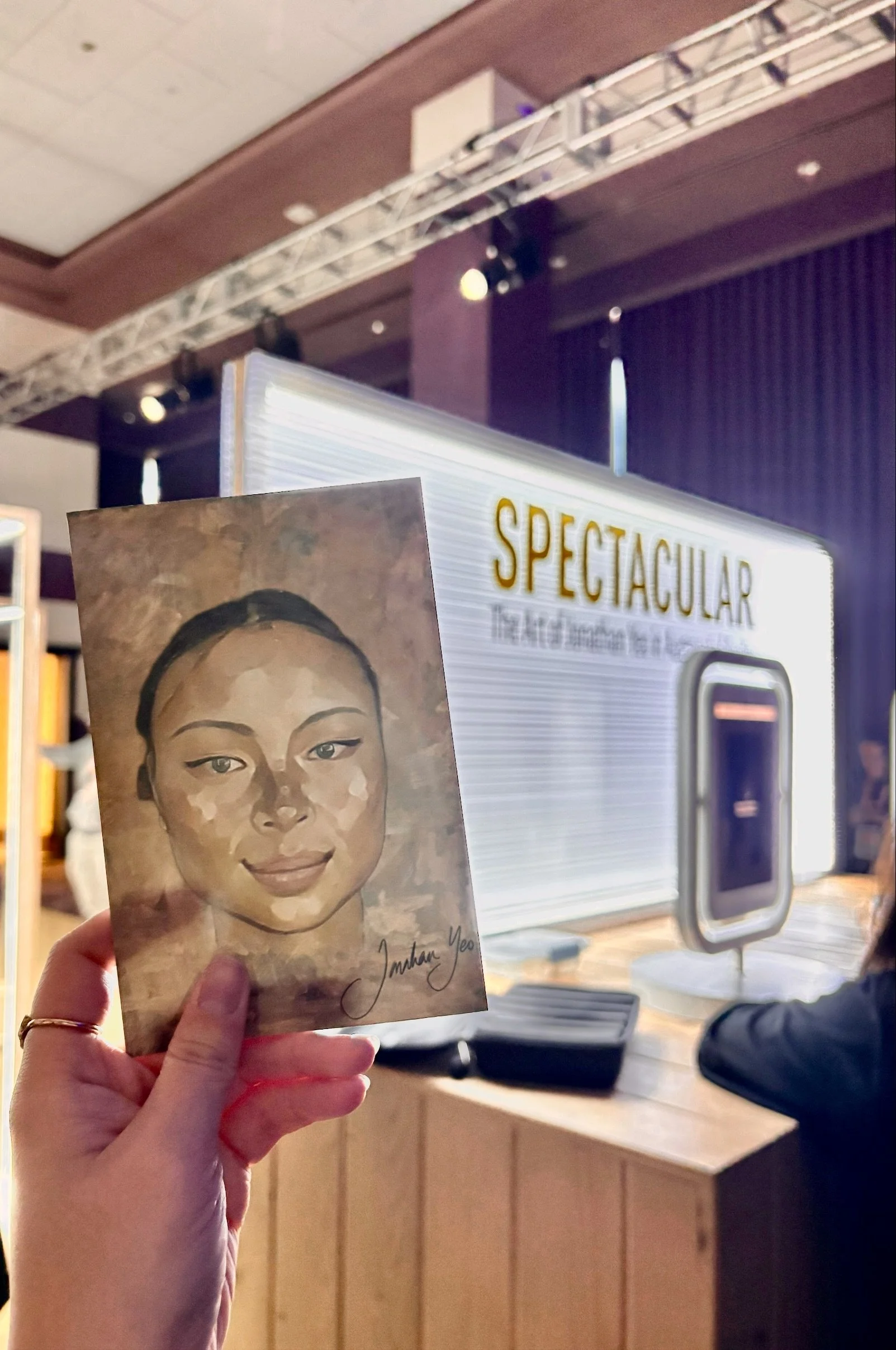
Spectacular: The Art of Jonathan Yeo in Augmented Reality (Jonathan Yeo, presented in AR by Snap) was created for Snap’s latest AR glasses, rethinking how we experience museums. Before putting on the glasses, the facilitator asked me to take a selfie. I assumed it was for calibration. But later, when I saw my face appear inside the painting, I was genuinely shocked. It’s such a smart way to involve the audience — not just observing the artwork, but becoming part of it.
Forgotten War (director Hayoun Kwon, Special Jury Award, XR Experience Competition, SXSW 2026) is a VR narrative about the Chipyong-ni battle during the Korean War. I queued for two days but couldn’t get a slot, so the creators kindly let me experience it early on the third day before opening.
In this piece, you enter the bodies of soldiers from different countries and repeat their actions — shooting, repairing wheels, and so on. It made me realise how, at an individual level, people in war are often just repeating labour within a much larger system. What really struck me was how different this perspective was from what I learned growing up. Back then, I mostly learned about the Korean War from a Chinese perspective. This work allowed me to understand why this battle holds such importance from a Korean perspective.
Beyond the works themselves, I also had many conversations with artists at the exhibition. One thing that really surprised me was how long these projects take. Most of them had been developed over 5 to 6 years, and one even took nearly 20 years. They shared how their work evolved from a short early concept into a fully developed 30 to 40 minute experience. I really admire their persistence, passion, and the sincerity when they talk about their work.
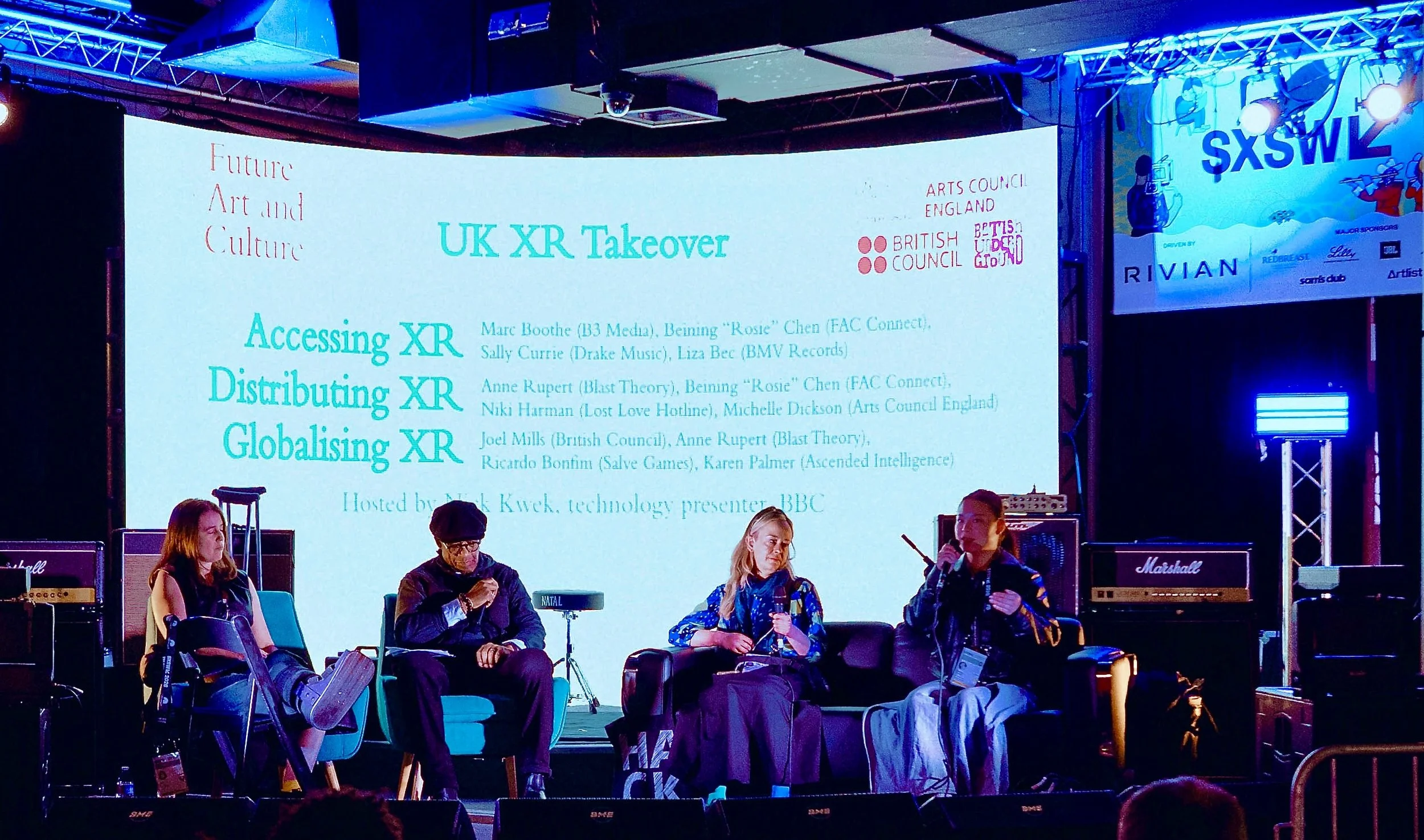
It was my first time at SXSW, and I was also very lucky to be part of the UK XR Takeover. As part of the programme I contributed to two panel discussions — one on accessing XR with Marc Boothe, Sally Golding and Liza Bec, and one on distributing immersive work. Since we all come from different backgrounds, my own journey started through education and academia, gradually developing into a real interest in XR. Being asked to speak about that journey alongside practitioners at different stages pushed me to articulate things I had not quite put into words before. It also made me reflect on how my past experiences have led me to where I am now, from shooting film, to learning skills on my own, to studying game design at university, and eventually working in VR. Somehow, all those dots have connected into a line.
Later, I joined a second panel to discuss how XR work can be presented to audiences. For me, beyond festivals, I often attend local meetups and demo sessions, where I can show work-in-progress and get immediate feedback from people. Regardless of where we are in our practice, we all share the same challenge: how to present non-traditional experiences to audiences within the limits of space, technology, and time.
During my week at SXSW, after seeing so many emerging technologies, I realised even more that what truly stays with people isn’t the technology itself, but what lies behind the work. It also made me reflect on how we use technology and how we understand our audience, both of which will be important parts of my practice moving forward.
As someone new to the XR field, there is still so much for me to learn and build, and I know there will be many challenges ahead. I am really grateful to B3 Media and British Underground for giving me this opportunity to come to SXSW, and to everyone I had genuine conversations with along the way. This memory of Austin is something I will always keep with me.