
Music, Art, Research + Development in Austin, Texas 2026
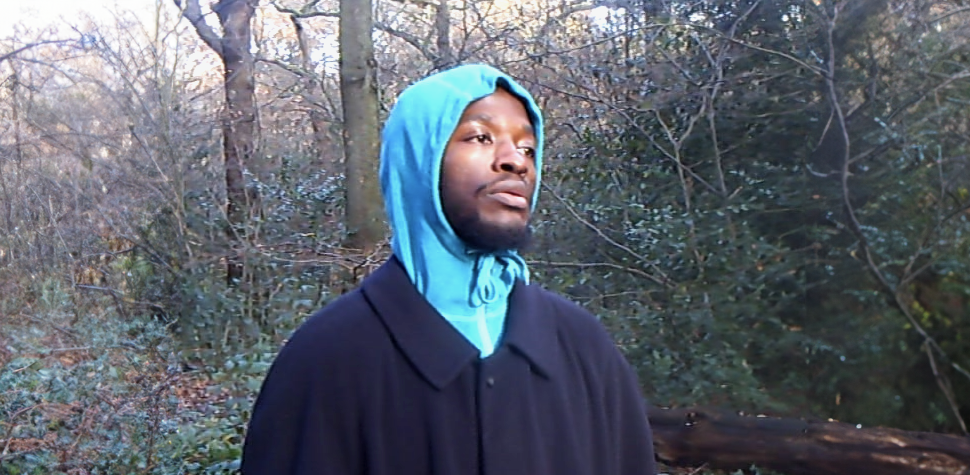
by Elijah Maja
Immersion is landing at Austin Bergstrom to new sounds, new scale, a frenetic pace and sweltering heat; setting the perfect tone for a week that presented ample opportunity for the senses to be fed across the board. I had a schedule mapped out before arrival, but there is nothing like being on the ground. Each morning I made note of must-sees, maybe-sees and no-sees to provide structure and make the best use of my time. Where my practice traverses music, visual art, research and creative strategy, I was keen to dedicate the short time in Texas to nurturing each facet, acknowledging where every discipline overlapped.
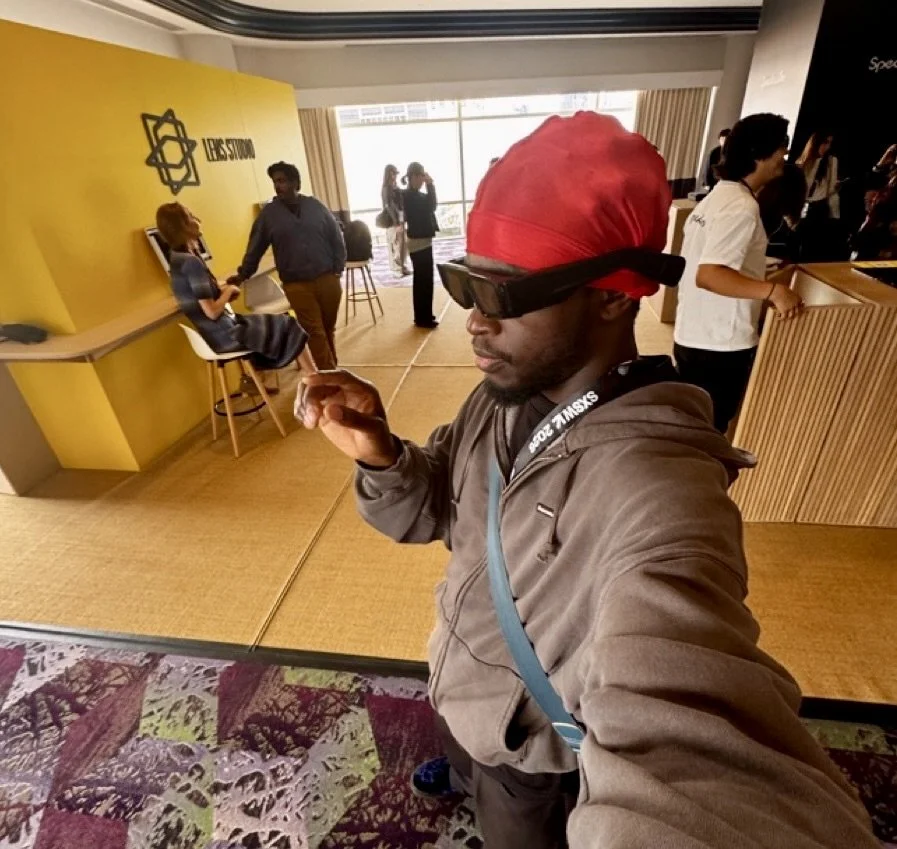
So many highlights honestly: screenings at Paramount Theatre, the warm and welcoming aura of Flamingo Cantina, intimate enough to see the sweat drip off bands and revellers alike. Watching Eric Andre deliver a talk on the future of entertainment, AI and pranks and being reminded that absurdity, when pushed far enough, becomes a form of cultural criticism. As well as London’s own Riz Ahmed speaking on upcoming project BAIT and a reminder of how a British voice can hold an international room. NOTHING co-founder Carl Pei spoke about the future of technology, uniformity, design and the relationship to fashion in a way that impacted how I thought about my cross-disciplinary practice, and an impromptu conversation with him thereafter helped to solidify some ideas.
What I was most drawn to was the synthesis: the way disciplines overlapped without losing their focus on sensation and experience. This overlaps with some ideas presented in the After the User Centric Design and Funding of Accessible Tech conversation.
One question from the accessible tech conversation has stayed with me: how does building for a specific minority benefit the majority? I am still working that out.
The XR experience space offered up a whole heap of new moments and frameworks. I was treated to Dark Rooms (Mads Damsbo, Laurits Flensted-Jensen, and Anne Sofie Steen Sverdrup), an experiential work that looked at desire, romance, intimacy and new awakenings. This immersive work was a favourite of mine. It presented ways in which to frame live performance, film and sound, fully involving its audience in the collaborative process. This affirmed ideas I have had around album presentation in new formats. To think on how this could translate to contemporary art spaces, galleries and outdoor activations.
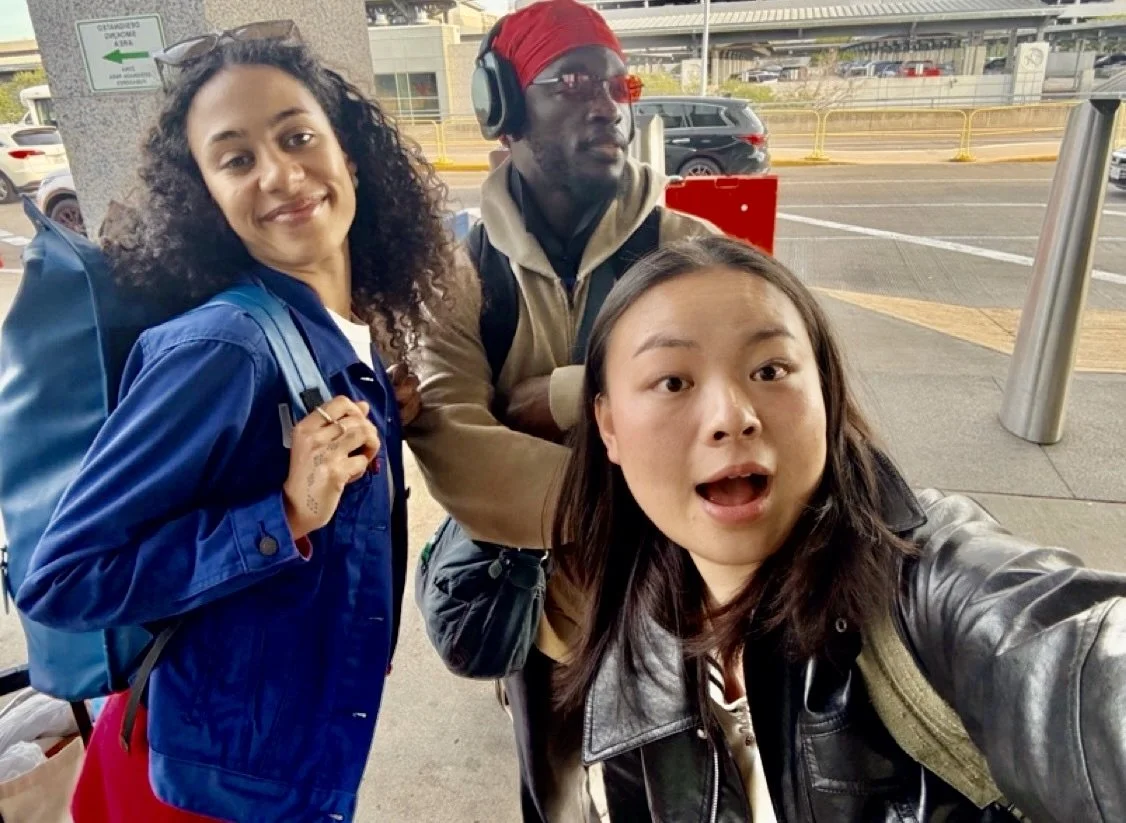
Time with Esme and Rosie was something I had not fully anticipated. Having only really been in contact on Zoom, to experience, eat, drink, thrift and walk around town together, hearing how passionately they spoke about their work and things they had seen during their time in Texas, helped to build firmer bonds. It made me think seriously about what we could make together. That conversation is just beginning.
What stays with me is this: in a field that is still growing, there is still room to try, to fail, and to find something new.