
February 2026 Newsletter: First Through the Door
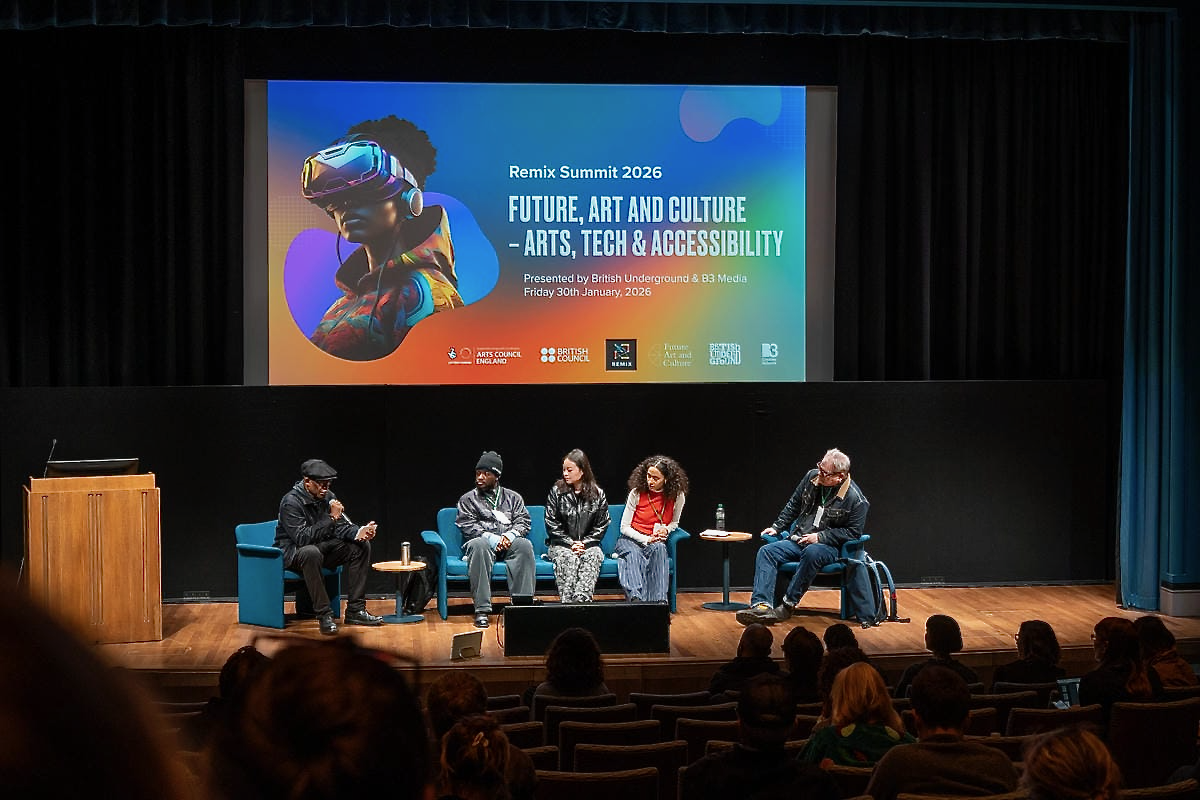
B3 Media works with artists who are often first through the door in spaces not designed for them. That's been the thread running through our work for years — and it was the thread running through our panel at Remix Summit last month.
The session was called Future Art & Culture: Arts, Tech & Accessibility. We were interested in a question that doesn't get asked enough: when we talk about access, are we just talking about getting in the room — or about the conditions that shape who can stay, contribute, and develop once they're there?
Taking Risks Together
Crispin Parry MBE, CEO of British Underground, joined me on the panel alongside three artists heading to SXSW this March through FAC Connect: Esme Allman, Elijah Maja, and Beining (Rosie) Chen. Now in its third year, this partnership has given B3 and British Underground space to take risks together — and that's what we were able to share at Remix.
What We Talked About
The panel drew on what we've learned: which forms of access are most valuable, where barriers persist, how changing festival structures are reshaping these spaces. But the conversation that stayed with me happened afterwards, off-script, in the Follow the Speaker session, where people chose to stay with the questions and take them further. Someone proposed scrapping the "emerging / mid-career" framework entirely. Take 21 artists of any age, they said, and commit to them for ten years. Real relationships, not programmes that end after twelve months. "I might want to quit everything and open a bakery at 60. I'd be an emerging baker. Why should a 16-year-old baker get opportunities I don't?" Good questions. No easy answers. That felt about right.
Three Artists, Three Journeys
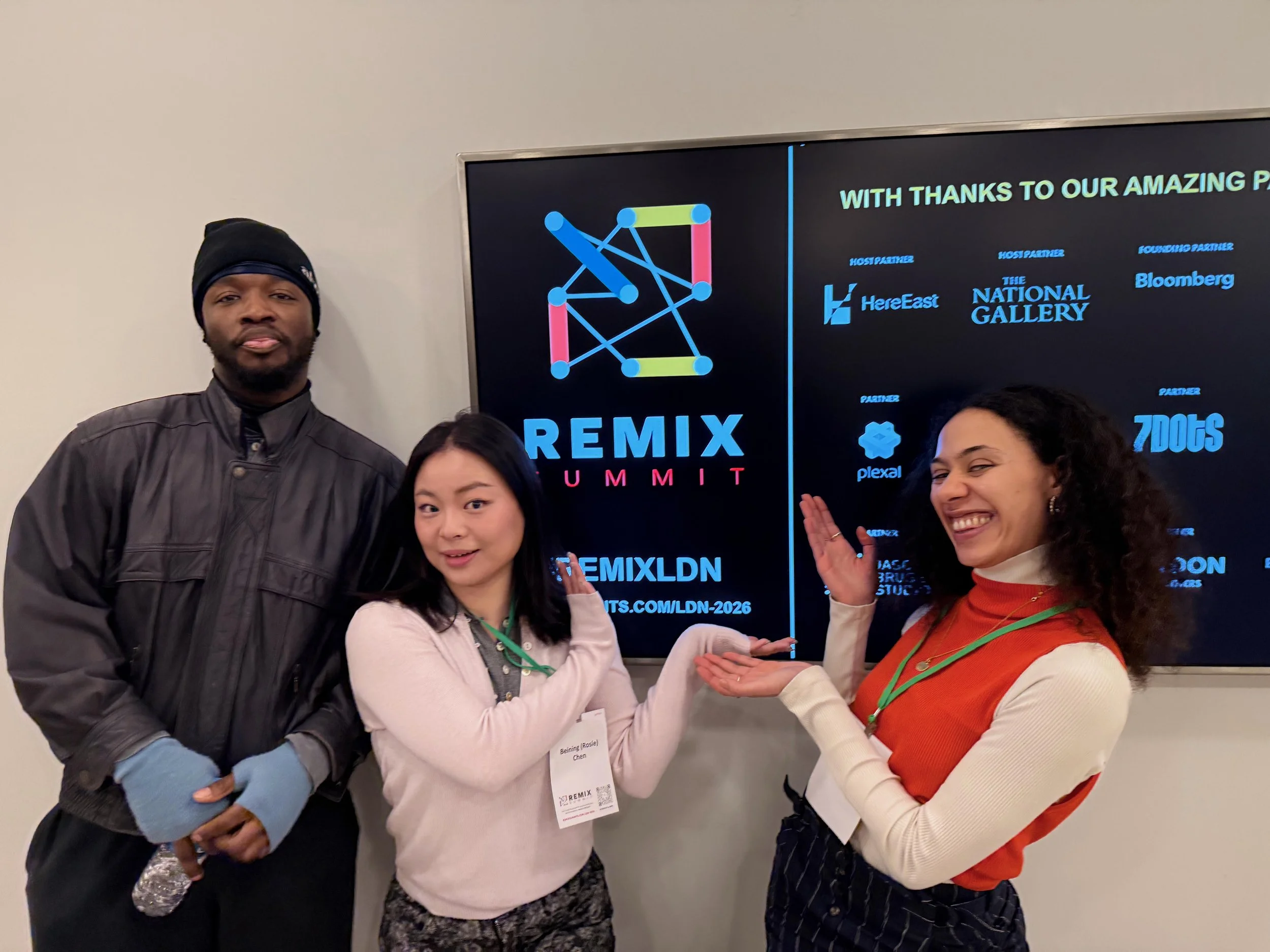
The artists on the panel are this year's FAC Connect cohort. They're coming in with questions rather than answers — and that's deliberate. I wanted the room to hear what access looks like from their perspectives before they head to SXSW in Austin in March. Here's who they are.

Elijah Maja
Artist and researcher (sound and moving image)
Elijah is a British-Nigerian artist and researcher working across sound, still and moving image. His practice explores how space, everyday life and ritual shape listening and perception — drawing on experimental music, sound art and R&B.
"Sitting with my cohort and realising we're all navigating similar questions made it feel a lot less like an isolated experience."
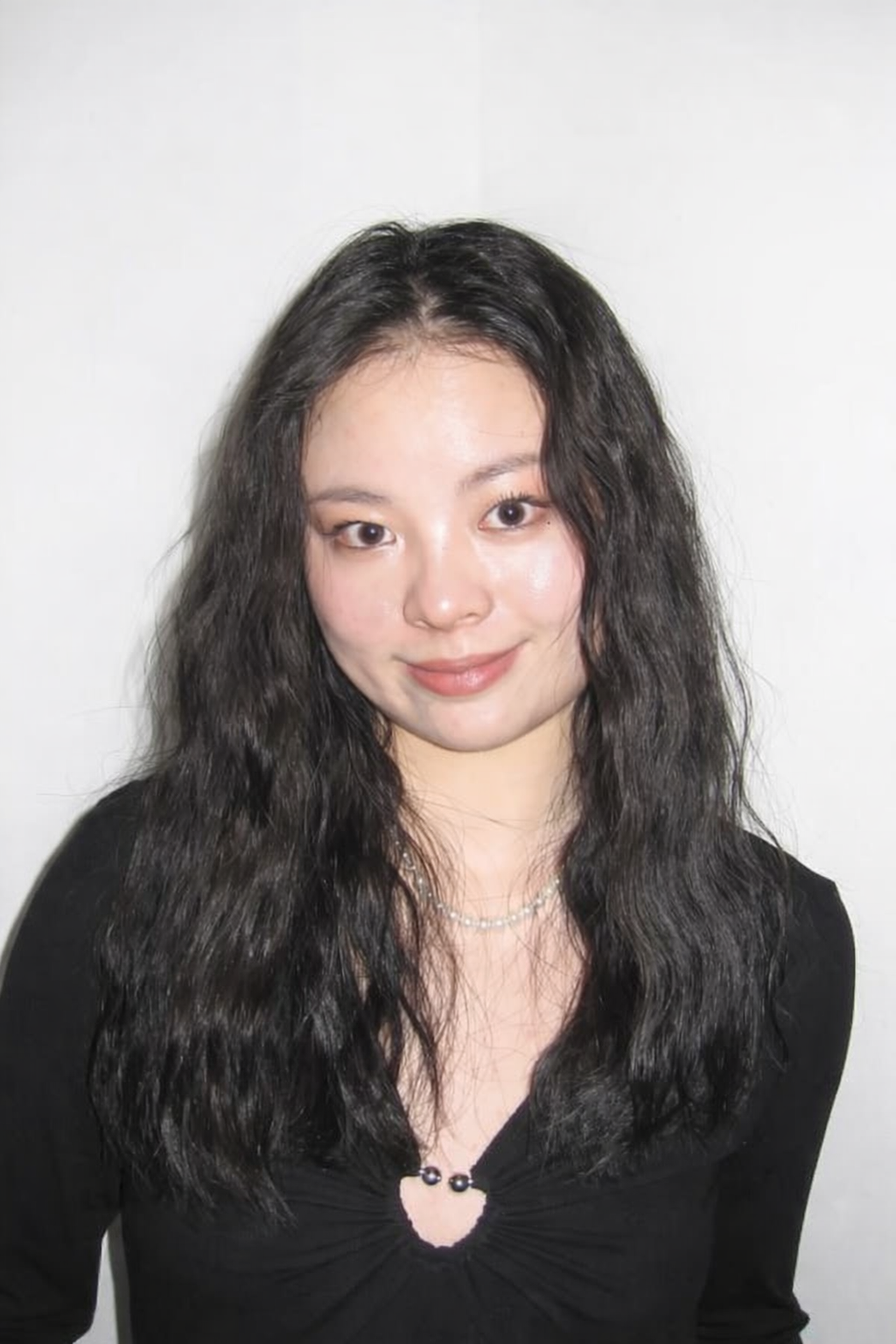
Beining (Rosie) Chen
Artist and creative technologist
Rosie is an artist and creative technologist working at the intersection of immersive experiences, interaction design and narrative-driven games. With a background in engineering, her practice explores how emerging technologies shape storytelling, agency and connection.
"Access hasn't primarily been about tools or platforms, but about connections, networks, and perspectives beyond my immediate creative circle."

Esme Allman
Poet, writer and theatre-maker
Esme is a South London-based poet, writer and theatre-maker whose work explores history, imagined worlds and desire within the context of Black femininity. Her collection Sweet Bone Girl was published by Broken Sleep Books in 2025, and she leads the Transgressive Poetics collective.
"The limits of creativity can be self-imposed — but those limits can be a space of agency, not always of lack."
Austin Calling
SXSW isn't a reward. It's a tool.
For artists working at the intersection of creativity and technology, it's a chance to see where the field is heading — and to be seen by the people shaping it. We've watched previous cohorts come back transformed: not just inspired, but with relationships, clarity, and a sense that their work matters beyond the rooms they already know. That's what we want for Esme, Elijah, and Rosie.
What's Ahead
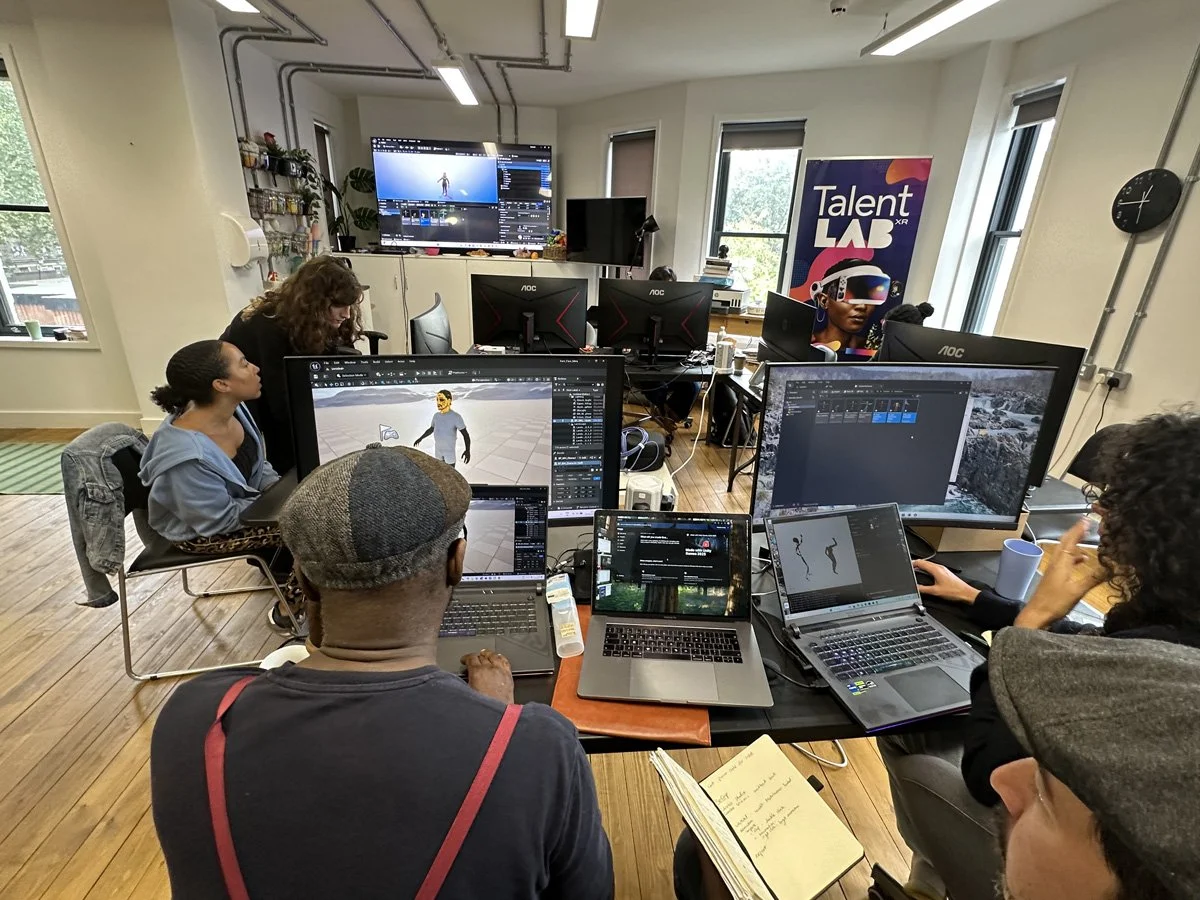
A big shout-out to the artists who recently completed our Creative Catalyst residency.
It was great working with them — and inspiring to see how they connected with and supported each other along the way. We'll be announcing the next cohort and open call soon. Watch this space.
I'll leave you with something I said at the end of the panel: “If the next generation of creators are already finding access on their own terms, often outside our systems, the question isn't whether they're ready for us. It's whether we're ready to change enough to catch up with them.” Something to carry forward.
Marc
With thanks to British Underground, Arts Council England and the British Council for making this work possible.

Future Art and Culture Connect is British Underground's flagship international programme, produced with Arts Council England and the British Council. B3 Media is the delivery partner.